Connie Perignon And August Skye Free May 2026
Freedom, they discovered, was not either/or. It was both a place you go and a place you keep. It was the bike ride to the cliff and the library table where you learned to balance gears. It was not the abandonment of responsibility but the choice to live deliberately within the world you had.
He unpacked his satchel for her, the postcards fanned like a new deck of possibility. “I have stories,” he said. “And I learned how to make coffee with coconut milk in a rainstorm.”
She touched his sleeve with the gentleness of a person who knew how to mend things properly. “Then promise me this: take a piece of Bellweather with you. Not the mural or the postcards, but the stubborn people who learn to fix things.”
Assumption I’ll use: you want an engaging creative short story plus supporting material (character sketches, worldbuilding, scene ideas, and promotional blurbs) centered on two original characters named Connie Perignon and August Skye, with an emphasis on a mood of freedom ("free"). If you meant something else (a song, legal free downloads, or specific media), tell me and I’ll adapt. connie perignon and august skye free
Not everyone liked it. The mayor—a man with a tie always slightly askew and a plan for everything—found the salon inconvenient. “People are getting restless,” he told his assistant, a woman who still believed that order came from schedules and spreadsheets. “They’re spending their money on postcards instead of bonds. They’re wandering, instead of voting ‘yes’ on the new zoning ordinance.”
The town library—brick, slumped, and warm with the smell of dried ink—was their first battlefield and sanctuary. Connie lived above an old repair shop; August lived nowhere in particular. They took to the library’s back room where the light slanted just so, and there they set up a small operation. Connie repaired typewriters, radios, and at one point an old jukebox that had been wounded by time. August curated a wall of postcards, each pinned with a sentence of memory.
They met over a vending machine that had swallowed someone’s change and refused to cough it up. Connie punched the glass; it rattled like a bell. August watched from across the street, hands folded into the sleeves of a sweater that had been knitted by somebody who loved patience. He smiled when Connie finally liberated the coins with a paperclip and a curse that sounded like an old lullaby. Freedom, they discovered, was not either/or
Not with defiance for its own sake, but with a plan so quiet and relentless it looked like ordinary kindness. They moved the salon to the market square on Saturday afternoons. They used the postcards to create a walking map—small affordable excursions that started and ended at the town’s old fountain: a four-mile bike loop to a hill with a view where you could lie and count the clouds, a train-ride to a town with a famous pastry, a sunrise bus to the docks where the gulls argued with fishermen. Connie repaired a dozen bicycles and taught people how to fix flat tires in five minutes. August arranged with an old driver named Lena for a discounted morning shuttle to the coast.
They discovered, in the easy spread of an afternoon, that they trafficked in freedom in different currencies. Connie’s was practical—freedom as work: the freedom to fix, to make things function so people might step out of their constraints. August traded in freedom as an ideal: open roads, passports, horizons measured in breath and possibility. He had never stayed long enough to learn the secret ways the city kept people small; she had never wanted to go far enough to learn the art of leaving.
People came. First a few: a night nurse who wanted to hear a story from a coast she’d never seen, a schoolteacher who kept a secret jar of dried sea glass, a teenager with rebellion written in chipped nail polish. The crowd grew in small, insistent ripples. They listened to August’s voice and then to Connie’s sensible suggestions—how to fold a map so it didn’t break, how to tune a radio to catch long-distance stations, how to keep a bicycle chain from rusting if you planned on taking it to a new city. They took little things from the salon and translated them into courage. It was not the abandonment of responsibility but
“Maybe courage is contagious,” August said, smiling at her like he was naming the most hopeful scientific fact.
August smiled, and then the crowd sang because that’s what crowds do when they know a story is bending toward truth. The night spread out into a thousand small fires: lanterns bobbing in the fountain, people dancing in pairs with shoes that had been mended and souls that had been slightly rearranged.
The turn came when the library’s old jukebox—resurrected by Connie—played a song on a Tuesday night that nobody could identify. It had the rhythm of something ancient and the optimism of someone who believes in small revolutions. The musicians in the crowd—teachers, a mechanic, a student who played drums on the edges of postal schedules—picked up the chorus. Songs spread like currency.
The summer they started the festival of small odds and improbable music—three days of postcards and patchwork tents outside the library—the mayor stood on a stage with a sandwich in his hand and announced, with a sort of rueful pride, that he would fund a program to send a hundred kids on trips next year. The crowd cheered like a sea of contented animals. Someone popped confetti. Connie and August stood at the edge and held hands, tired and grateful.
I’m not sure what “Connie Perignon and August Skye free” refers to — it could be song lyrics, fanfiction characters, book or game characters, a creative prompt, or a search for free content (e.g., free music, images, or downloads). I’ll choose a decisive interpretation and provide a substantial, engaging resource accordingly.
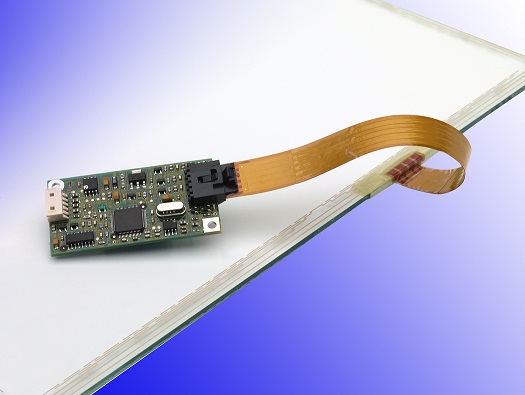 Touch Screen Sensor
 Touch Screen Monitor
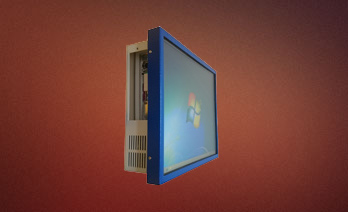 Touch Computer
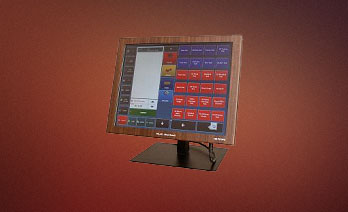 Speciality Display
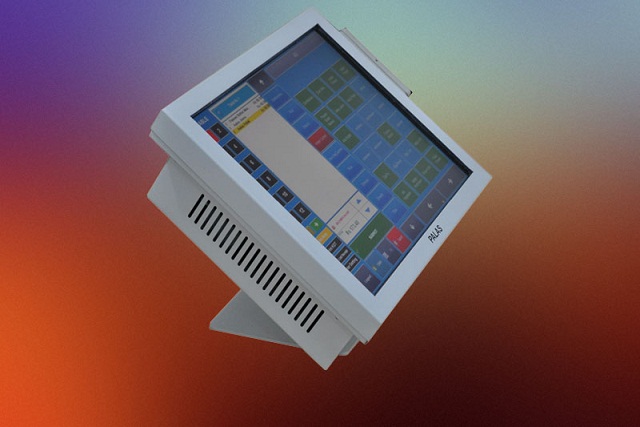 POS System
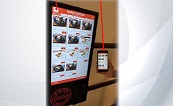 Self Ordering System
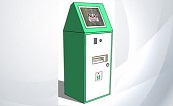 Self Service Patient Registration
 Self Service Employee
 Digital Signage
 Software for Factories
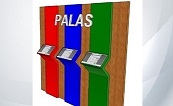 HR Software
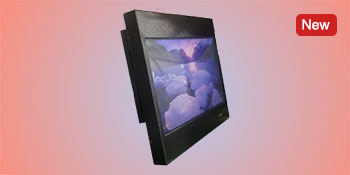 Value Series
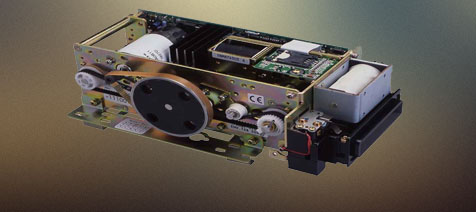 Smartcard Reader
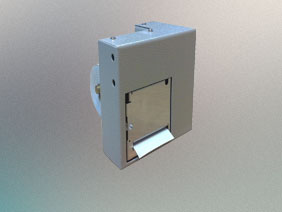 Thermal Printers
 Retail Solution
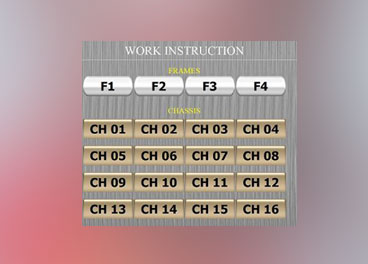 Industrial software
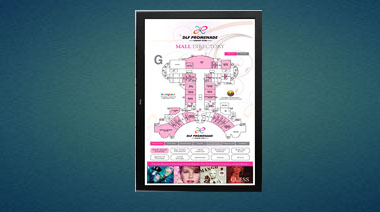 Digital Signage
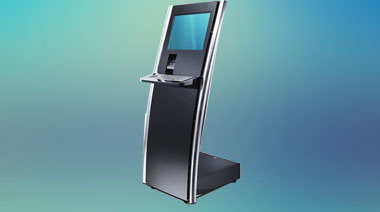 Kiosk
Kiosk
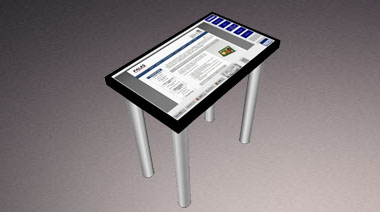 Touch Table