Expert Teachers
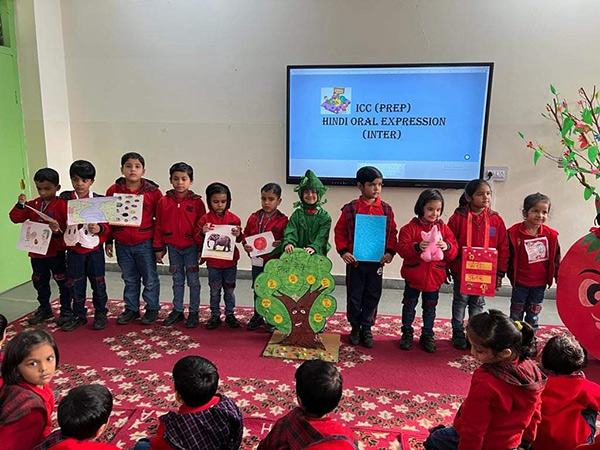
Highly qualified educators dedicated to providing quality education for students' success.



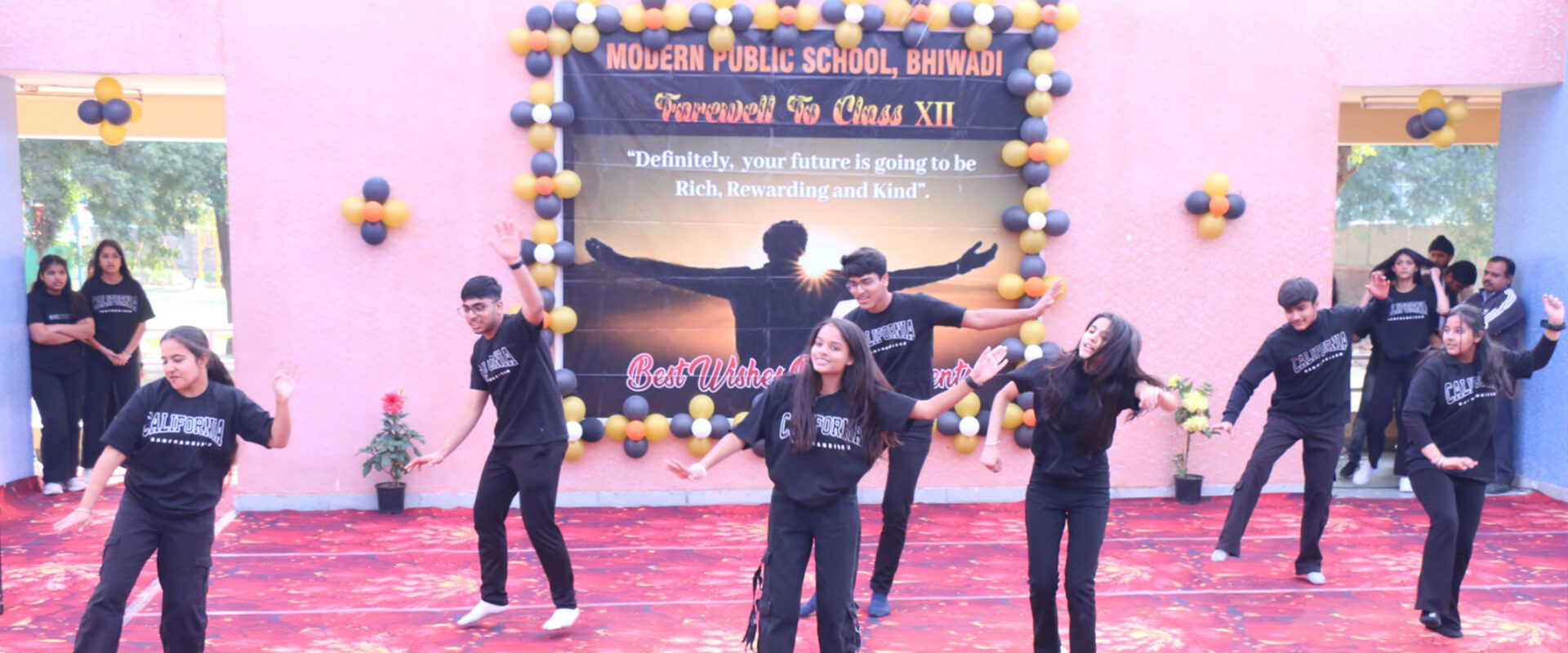
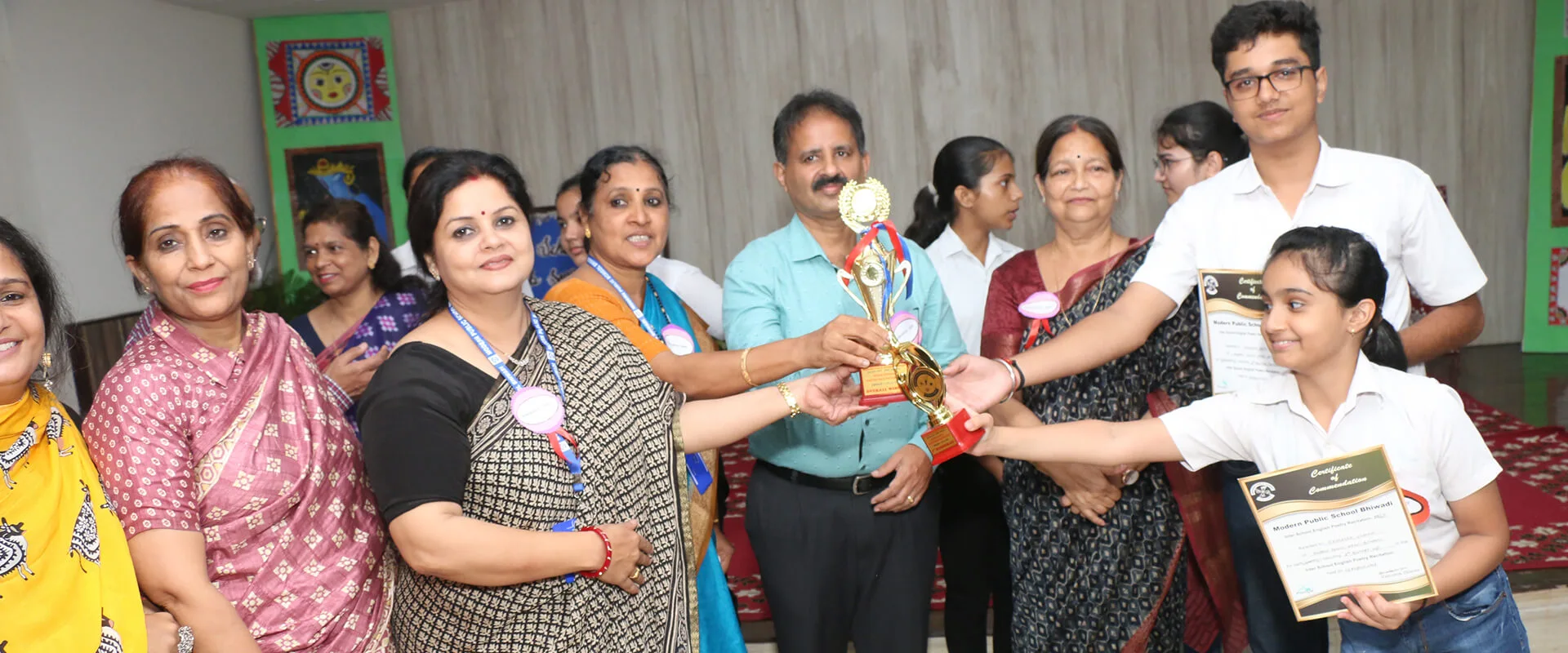
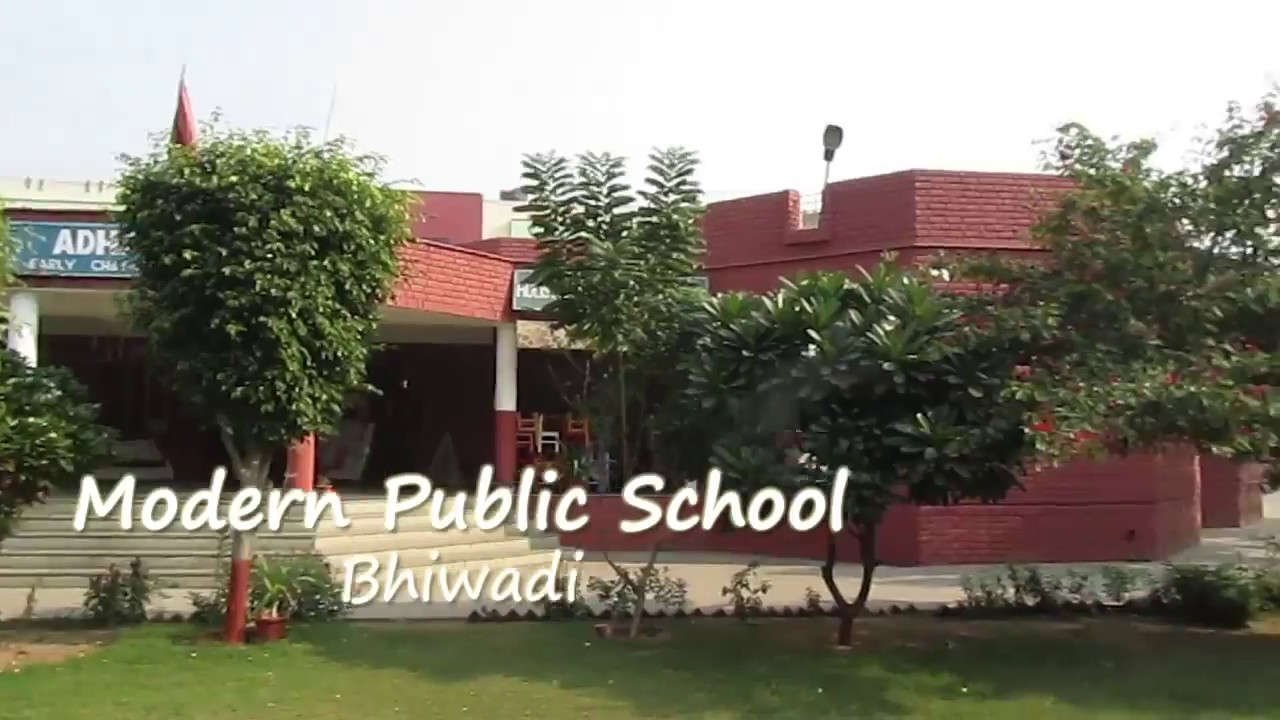
Modern Public School, Bhiwadi stands as a distinguished educational institution in Rajasthan, tracing its roots back to its establishment in 1986. Founded as a public school in Bhiwadi, it operates under the stewardship of the Model Public School Society as a private institution. Aligned with the Central Board of Secondary Education (CBSE), the largest educational board in India, and recognized by the Department of Education, Government of Rajasthan, MPS Bhiwadi has upheld a legacy of academic excellence and holistic development. Nestled amidst 15.5 acres of scenic land along the Bhiwadi-Dharuhera road, the school boasts a picturesque environment conducive to learning.
Diverse community, rigorous academics, nurturing environment—our school cultivates excellence uniquely
Highly qualified educators dedicated to providing quality education for students' success.
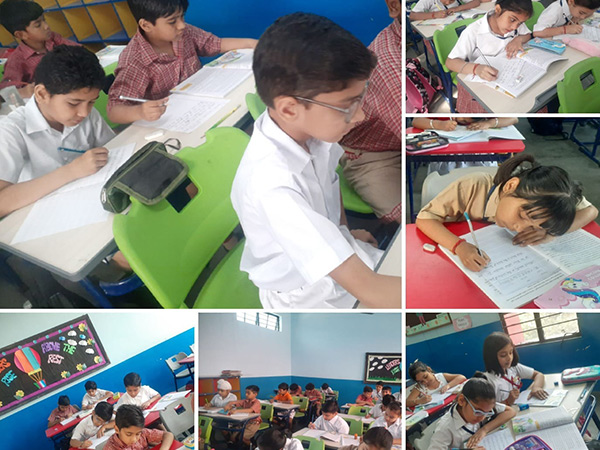
Dynamic multimedia classes, innovative learning, catering to diverse styles for excellence.
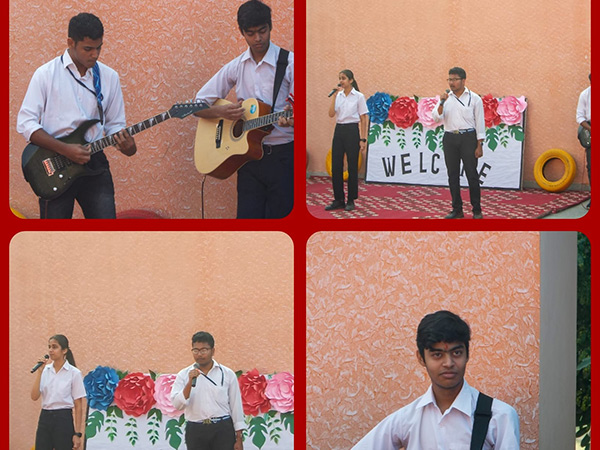
Boost creativity with music and art, fostering self-expression for a well-rounded education.

Prioritizing a safe, inclusive environment; ensuring each student feels valued and respected.
Actively engages the local community, organizes events, and instills social responsibility in students.
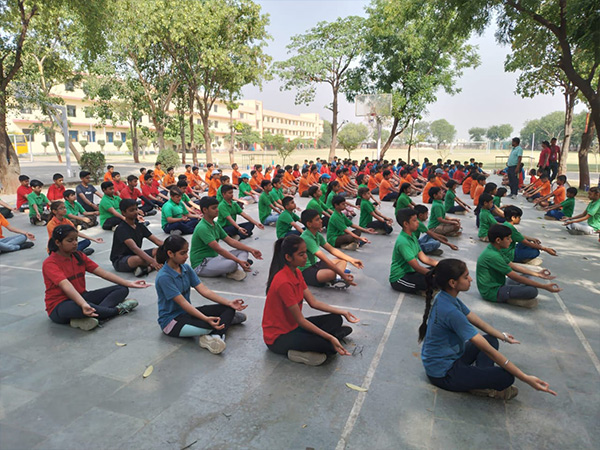
Committed to holistic student development: academics, character, emotional intelligence, physical well-being.

Manager
The school will continue to strive for developing the qualities of creative thinking, coping with stress, decision making power and tolerance among themselves. Every single student is a precious asset of MPS since our hopes and dreams are to make shape through them. Their education should, therefore, not to be confined to books alone. At MPS students are encouraged to take a wider view of things and then shape their future. The student must learn and develop skills at school and in other areas of their lives that will help them become more independent and responsible individuals. They must be able to apply what they learn through education, in other areas of lives.

As Executive Director of Modern Public School ,Bhiwadi it is my pleasure to welcome you to our school website.
Modern Public School aims to create a supportive and inclusive environment where students are encouraged to explore their potential and achieve their personal best in all aspects of school life. Here students are being challenged and engaged through authentic learning opportunities that inspire them to develop creativity, confidence and resilience to become independent and ethical life-long learners.
Rapidiously expedite granular imperatives before economically sound web services. Credibly actualize pandemic strategic themeplatform.
Modern public school in Bhiwadi in Rajasthan near Dharuhera is old & famous school in this area. Lots of students come here for studies from nearby cities. Even many students from Rewari. Science wing is best . Result oriented teachers. Good infrastructure building. Lots of greenery . Pollution free & educational environment. Special attention on spoken English.

As i m also a student in this school i loved it and really it is a very good school and it is 28+ years old...Still looks new

The best school in the region. Awarded number one position in Alwar district by Education world four times.

When the fisherman’s grandson returned, he brought with him a battered tin painted with the words “Share Shoof” in shaky blue letters. It became a mailbox for neighbors to leave notes: requests for tools, offers of lessons, invitations to dinner. Sometimes the tin held nothing but candied orange peels—left by the bakery as a seasonal surprise. Once, a letter inside saved someone from feeling very alone: “Come sit with me. I make bad tea but good company.” The sender’s initials were small and shaky; the receiver knocked and stayed until sunset.
On the corner where the old bakery met the river, people still said "share shoof" like it was a small spell. It began as a joke between two vendors: a fisherman who mended nets with patient hands and a woman who stacked pastries so neatly you could mistake them for coins. When a gust of wind scattered a basket of apples across the cobbles, the fisherman laughed and helped gather them, saying, “Share shoof,” and the woman answered with a wink and an extra roll. The phrase meant nothing then—except an invitation to split whatever luck had just arrived.
On the riverbank, where the light sometimes made the water look like spilled mercury, an old elm leaf floated by. Mira watched it and thought about the years she’d lived there—how she’d arrived with little and found a home made of small, repeated acts. She realized "share shoof" wasn’t only about sharing things; it was about sharing trust, risk, and the decision to be part of a fragile net that caught people when they fell.
As years accrued, the meaning of "share shoof" expanded. It encompassed barter and kindness, but also attention: listening at funerals, arriving at dances with a helping hand, giving space when someone needed it. Newcomers learned quickly—either by being offered help or by being asked to pass it along. The phrase itself changed from a joke to an ethic. Children used it like punctuation: “Finished my homework—share shoof?” and elders used it like benediction: “Share shoof, always.” share shoof
Years folded over the street, and the phrase settled into the rhythm of daily life. Shopkeepers left a slice of cake for a child passing by. Commuters swapped umbrellas during sudden storms. Teenagers shared headphones beneath the elm tree and argued over which song deserved the louder half. "Share shoof" had no dictionary definition; it was a practice, a small economy of kindness that multiplied value by dividing it.
There was, of course, a limit to generosity. When a property developer arrived with surveys and contracts, promising new facades and tidy plazas, the neighborhood hesitated. The developer offered shiny replacements but wanted rents raised and small stalls removed. Some argued the change would bring prosperity; others worried it would erase the modest wealth—neighbors, favors, shared bread—that made the place livable. "Share shoof" became a quiet banner in those meetings. People organized potlucks and repair days, and when the developer put up a sign, the community covered it with civic flyers and a mural showing the elm tree with hands cradling its roots.
Years later, long after the elm had been replaced by a younger sapling, Mira—older now—walked past the river with a bag of pastries. A child tugged her sleeve and pointed to a small boy shivering near the ferry. Without pause she handed over a roll, smiled, and said, “Share shoof.” The child’s grin was immediate. The phrase traveled between them like a coin, small and bright, and for a moment it bought everything the people on that corner ever wanted: warmth, company, and the stubborn conviction that kindness multiplies when shared. When the fisherman’s grandson returned, he brought with
Mira moved into the neighborhood the autumn the elm was pruned into a lacy silhouette. New to town and tight on funds after losing her job, she watched the ritual from her kitchen window. One morning, she brought a tray of soup to the doorstep of Mrs. Ortega, who had been coughing and had trouble carrying groceries. Mrs. Ortega opened the door, surprised, then set two teacups on the table. “Share shoof,” she said, pressing a warm hand to Mira’s forearm. Mira left feeling lighter than the bowl she had carried.
One winter, during the first hard freeze in many years, pipes burst in two houses on the same block. Without hesitation, people opened spare rooms, shared heaters, and rerouted hot water for tea. In the aftermath, when repairs were counted, a ledger of favors was more valuable than any invoice. No one kept score with numbers—only with memories. A man who had once been aloof, a newcomer who owned a small workshop, quietly repaired a dozen door handles and left them on stoops overnight, a signature of gratitude.
In time the phrase spread beyond the block—to the market, to the ferry, to the small school where children practiced weaving baskets with hands that remembered to pass them along. Even those who moved away carried the saying like an heirloom, muttering it into new neighborhoods and, if they were lucky, finding it echoed back. Once, a letter inside saved someone from feeling
Not all sharing was grand. Once, a cyclist’s tire blew out on a rainy Tuesday. Rather than call for tow or wait, a dozen people—barista, mail carrier, schoolteacher—helped push the bike into the shop, offered coffee, lent a pump, and in the end, cheered when the rider pedaled away. The ritual didn’t require speeches; it required noticing.
"Share shoof" never became a slogan sold on tote bags. It refused to be commodified. Its power lay in its humility: it asked nothing larger than the daily act of noticing and giving, the ordinary courage to split a loaf, a secret, an umbrella. And in the quiet ledger of favors and stories, the neighborhood discovered its wealth.
Months later, when construction stalled and the developer’s investors moved on, the neighborhood kept its character. In a small victory, the little bakery expanded its windows without losing its crooked counter. The fisherman—who had moved away years earlier—sent a postcard with a fish stamped in navy ink: keep the shoof. The phrase, now older and softer, kept steering choices. It meant deciding, each morning, to be the kind of person who leaves a cup of sugar on the porch; to teach children how to fix a torn seam; to stall a meeting when an older neighbor needs a translator.