Under the guidance of a mysterious man called "The Professor", a group of robbers, Tokyo, Rio, Berlin, Nairobi, Denver, Moscow, Oslo, and Helsinki, invade the Royal Mint of Spain and take hold of 67 hostages as part of their plan to print, and escape with, €2.4 billion. Raquel Murillo, a police investigator is put in charge of the case, unaware that the mastermind is closer than she could ever imagine.
Un enigmático hombre que se presenta como “el profesor” forma un equipo con 8 ladrones con el propósito de dar el mayor golpe de la historia con un atraco a la Fábrica de moneda y timbre. El equipo se instala en la fábrica secuestrando 67 rehenes y comienza a imprimir dinero. Raquel Murillo, la inspectora puesta a cargo del caso, no sabe que el cerebro detrás del atraco está más cerca de lo que se podrá imaginar.
I should make sure the blog post is clear and informative even if the specific subject is a bit obscure. Perhaps the user is working on a project with a specific code name and needs a blog post to announce or detail it. Alternatively, it could be a placeholder for something they haven't fully developed yet.
First, I need to figure out what the user is referring to here. The string could be a placeholder or a specific identifier for a video, software, or some kind of media. Since the user mentioned "015943" and "today", maybe it's a timestamp or a version number? The term "min exclusive" might suggest a limited edition or something that's available only for a short time.
I need to be cautious not to assume the wrong interpretation of the code. Sticking to the information given and building around it without making unfounded assumptions is key. Emphasizing the exclusivity aspect mentioned in "min exclusive" could be a way to engage readers, suggesting that the content is unique or time-sensitive.
I should also consider the audience. Are they technical people interested in code or file structures? Or is it for a broader audience, perhaps marketing a product with a unique identifier? Without knowing the target audience, it's safer to keep the language accessible while still including necessary technical details.
Including a call to action might be useful, encouraging readers to provide more context or visit a specific page for more information. Adding tips on how readers can explore similar content if they're curious about the code's meaning could also help.
Given the lack of clear information, I'll start by outlining a general structure. The blog post should include an introduction explaining what the post is about. Maybe break down the code into parts if possible, explaining what each part means. If the code is arbitrary, I can treat it as a unique identifier and focus on the purpose of the "exclusive" content.
Finally, wrapping up with a conclusion that reinforces the value of the post. Maybe a teaser for related content or a sign-off to maintain the blog's style. If the user has specific guidelines or a preferred tone, they might want to adjust it, but since it's not specified, a neutral, informative tone would be safe.
Wait, sometimes in tech blogs, people refer to specific file names or versions. "448rmjavhdtoday" could be part of a filename related to a video or an application. The numbers at the end, 015943, might be a version or build number. But without more context, it's a bit challenging.
Binge watching the latest season of a great TV show is everyone's guilty pleasure. But we just can’t seem to find 1 hour per week to dedicate to our Spanish studies. Now imagine a world where you could learn Spanish just by watching great Spanish TV shows. Well that’s exactly “The Binge Learning Method by Lingopie.”
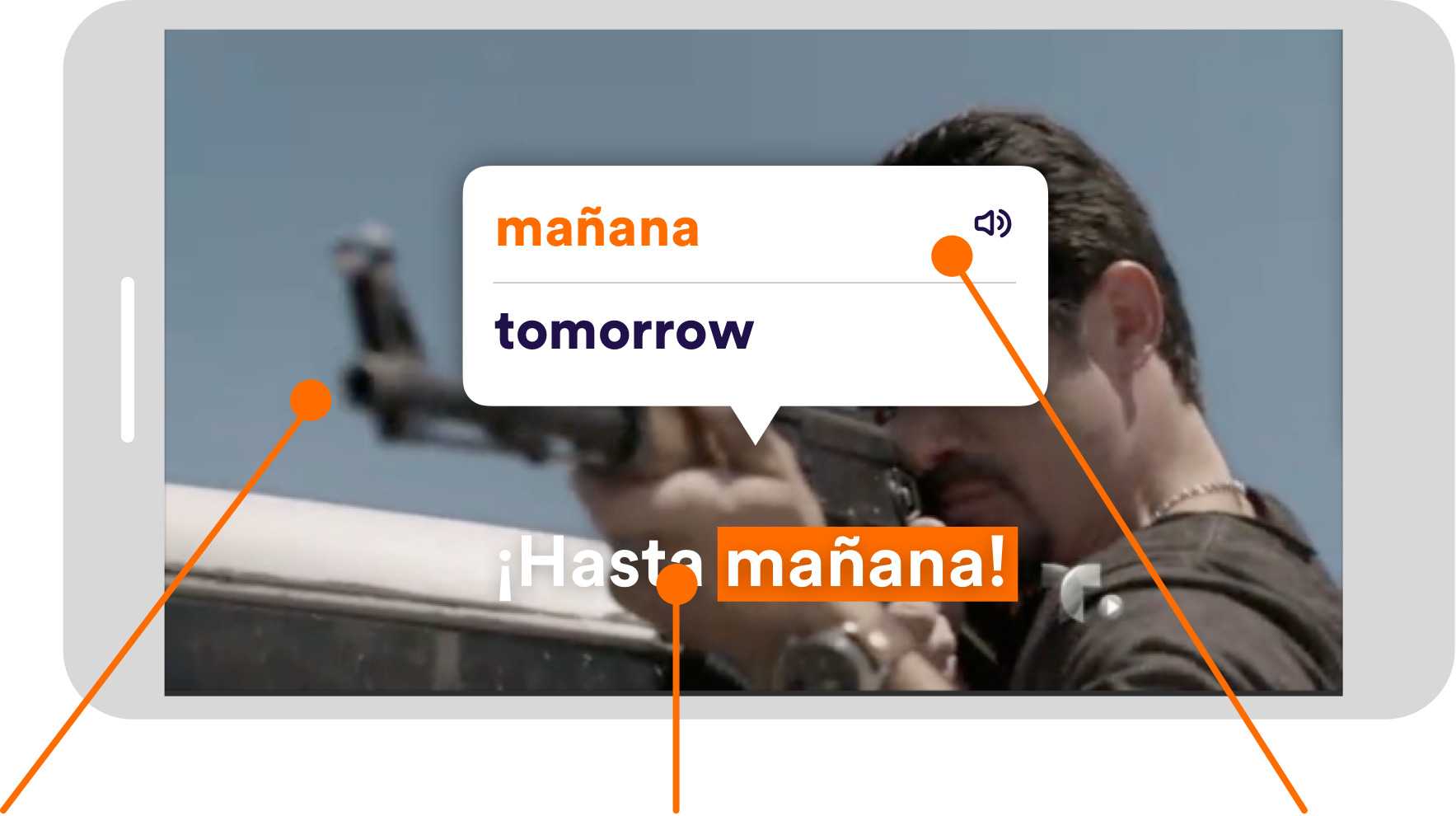
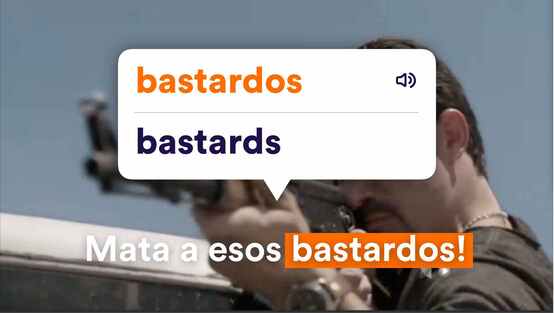
Choose a great Spanish TV show from our extensive catalog of TV Shows. Each Spanish TV show is displayed with Spanish subtitles. Start watching and when you don’t understand something, just click on that word or phrase and get an instant translation. Lingopie saves all your words and phrases so you can review them afterwards with built-in SRS language learning tools. As you binge watch from episode to episode, you’ll quickly notice that you understand more & more in record time. The more you watch, the more you learn. That’s the “Binge Learning Method.”
LingoPie makes learning addictive! Using interactive closed captions and
great foriegn contnent, learning a new language is as fun as watching TV.


and dozens of other great shows!

Enjoy Great Shows
Highly acclaimed
Spanish TV shows

Click & Translate
Interactive, clickable,
same language captions

Learn From Context
Contextual translations,
grammar and sample sentence
Highly acclaimed Spanish TV shows.
Interactive, clickable, same
language captions
Contextual translations, grammar and
sample sentence
I should make sure the blog post is clear and informative even if the specific subject is a bit obscure. Perhaps the user is working on a project with a specific code name and needs a blog post to announce or detail it. Alternatively, it could be a placeholder for something they haven't fully developed yet.
First, I need to figure out what the user is referring to here. The string could be a placeholder or a specific identifier for a video, software, or some kind of media. Since the user mentioned "015943" and "today", maybe it's a timestamp or a version number? The term "min exclusive" might suggest a limited edition or something that's available only for a short time.
I need to be cautious not to assume the wrong interpretation of the code. Sticking to the information given and building around it without making unfounded assumptions is key. Emphasizing the exclusivity aspect mentioned in "min exclusive" could be a way to engage readers, suggesting that the content is unique or time-sensitive. sone448rmjavhdtoday015943 min exclusive
I should also consider the audience. Are they technical people interested in code or file structures? Or is it for a broader audience, perhaps marketing a product with a unique identifier? Without knowing the target audience, it's safer to keep the language accessible while still including necessary technical details.
Including a call to action might be useful, encouraging readers to provide more context or visit a specific page for more information. Adding tips on how readers can explore similar content if they're curious about the code's meaning could also help. I should make sure the blog post is
Given the lack of clear information, I'll start by outlining a general structure. The blog post should include an introduction explaining what the post is about. Maybe break down the code into parts if possible, explaining what each part means. If the code is arbitrary, I can treat it as a unique identifier and focus on the purpose of the "exclusive" content.
Finally, wrapping up with a conclusion that reinforces the value of the post. Maybe a teaser for related content or a sign-off to maintain the blog's style. If the user has specific guidelines or a preferred tone, they might want to adjust it, but since it's not specified, a neutral, informative tone would be safe. First, I need to figure out what the
Wait, sometimes in tech blogs, people refer to specific file names or versions. "448rmjavhdtoday" could be part of a filename related to a video or an application. The numbers at the end, 015943, might be a version or build number. But without more context, it's a bit challenging.

