The creator, Keylla Marques, frames the clip around a concise theme signaled by the title’s cryptic phrase “the B upd.” That ambiguity invites viewers to project meaning—perhaps shorthand for a mood shift, a styling update, or a playful reclamation of an insult—while the “PinkotGirls” branding situates the video within a feminine, colorful, and possibly queer-friendly aesthetic. This combination of specificity (a named creator and brand) with deliberate vagueness (the phrase “the B upd”) is typical of contemporary social media content strategies that prioritize curiosity hooks.
Narratively, the piece probably follows a simple arc: setup (establishing the creator and aesthetic), transformation or reveal (the “upd” moment), and a call to action or punchline (a wink, a caption prompt, or an invitation to follow). Such a structure satisfies short-form attention economies: it rewards viewers quickly while leaving space for engagement through comments or shares. video title pinkotgirls keylla marques the b upd
"PinkotGirls — Keylla Marques: The B Upd" presents a short-form video that blends aesthetic pop culture visuals with a personal, conversational energy. At its core the video functions as a snapshot: part identity performance, part micro-narrative, and part engagement bait designed for social platforms where immediacy and personality drive viewership. The creator, Keylla Marques, frames the clip around
In sum, "PinkotGirls — Keylla Marques: The B Upd" exemplifies effective short-form content: visually cohesive, trend-aware, and deliberately suggestive, it aims to entertain while building a distinctive creator identity that encourages repeat engagement. In sum, "PinkotGirls — Keylla Marques: The B
Culturally, the video taps into several contemporary dynamics: personal branding, remix culture, and community signaling. By naming a creator and a stylized group identity (PinkotGirls), it fosters a sense of belonging for fans while remaining accessible to newcomers. The playful ambiguity of “the B upd” also enables layered interpretations—satire, empowerment, or pure entertainment—broadening appeal.
Visually, the video likely uses saturated pinks and stylized wardrobe or makeup choices to create a cohesive visual identity. Quick cuts, close-ups, and on-screen text would be used to maintain tempo and clarity in a short runtime. Sound design—whether a trending audio clip, an upbeat soundtrack, or voiceover—serves to amplify the emotional tone and to align the clip with platform trends, increasing its chances of being picked up by recommendation algorithms.
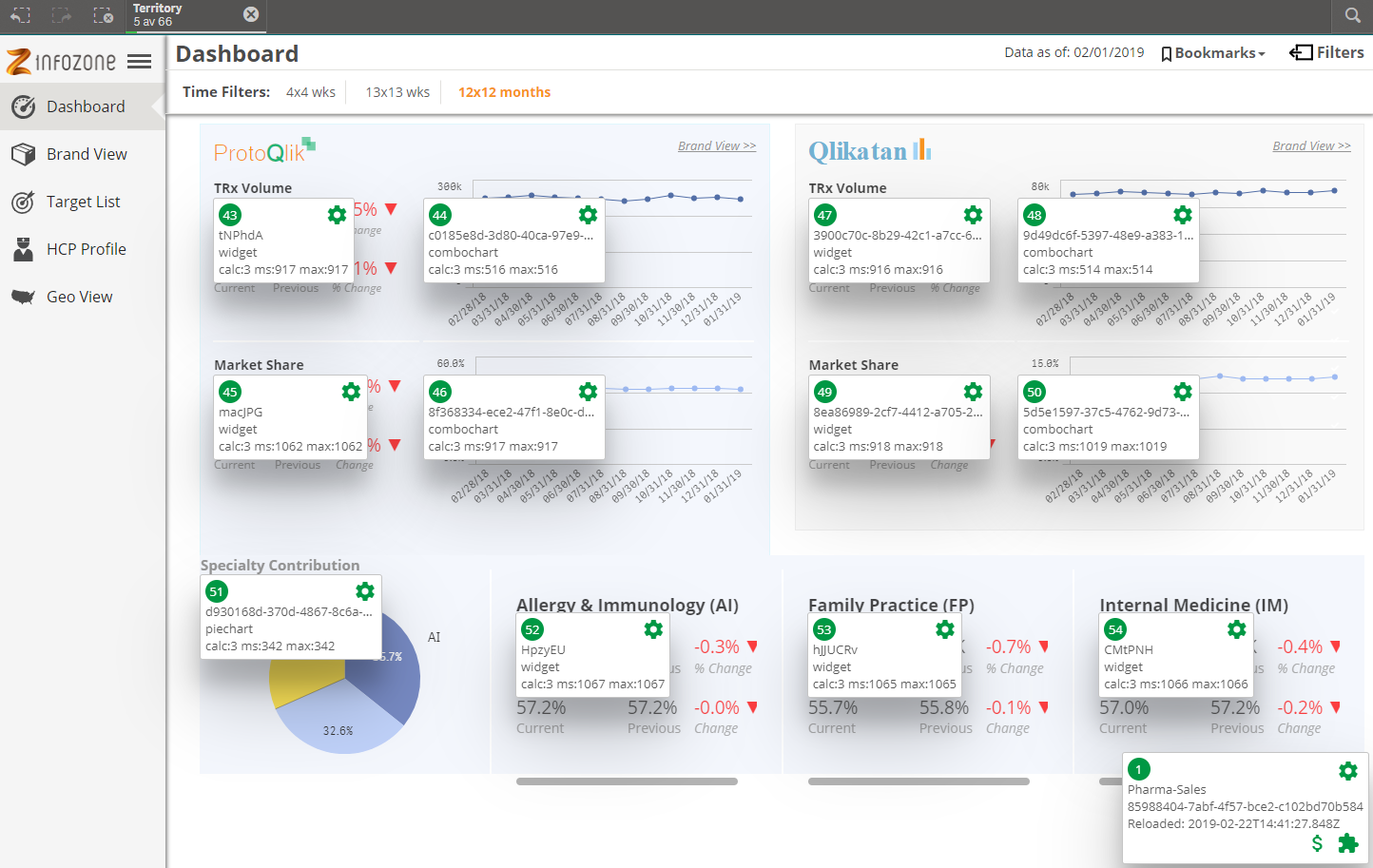
Add Sense for Chrome works in both the build-in Sense client and in mashups using the Capabilities APIs
Charts displayed with the API through getObject and visualization.show will be tagged.
Used app(s) will be displayed in the bottom right corner.
Properties and other buttons will work just as in the client.
If your mashup shows charts from more than one app, all will be listed.
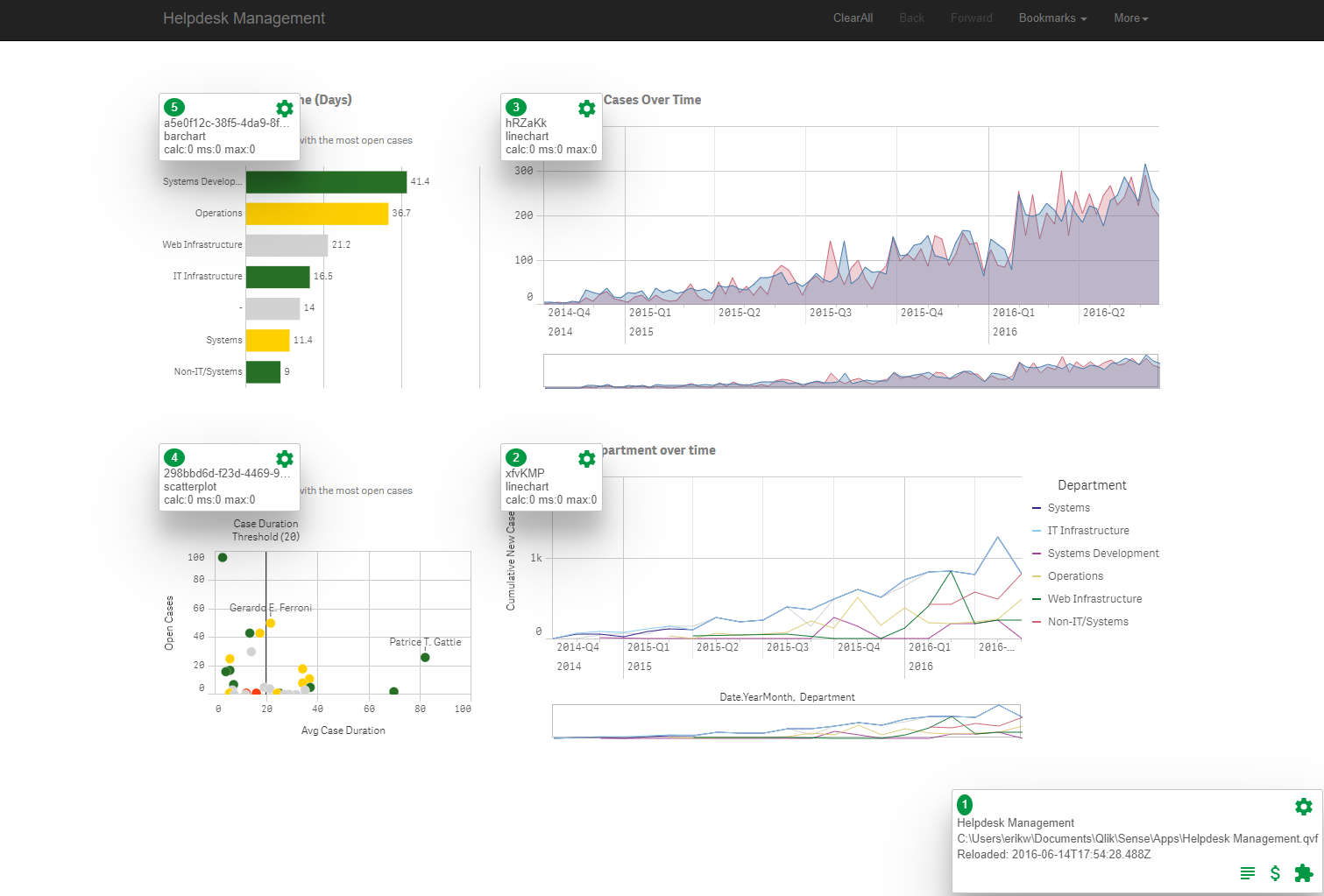
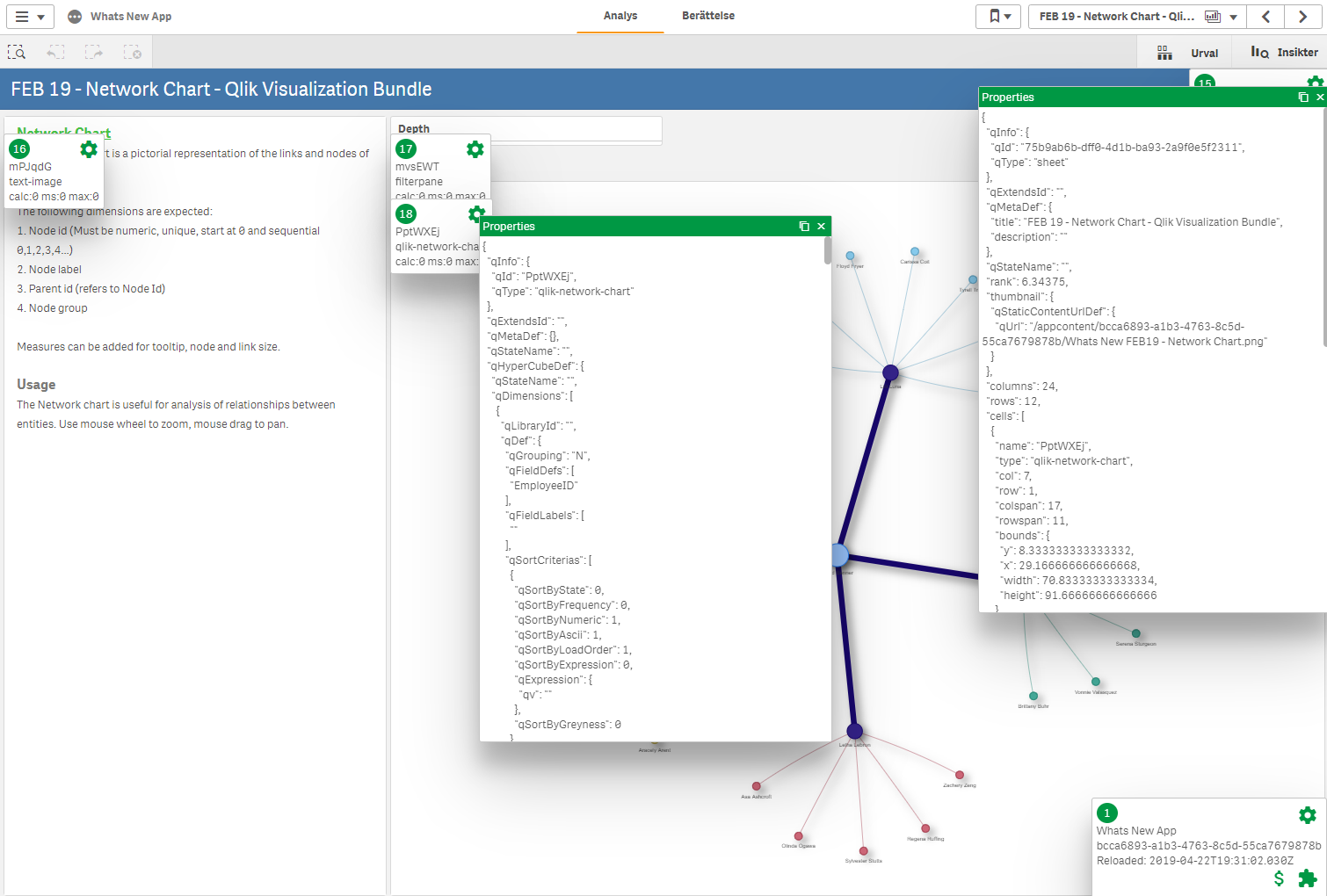
For all charts, sheets and the app you can click on the cogwheel.
That will display the properties for the object.
Use this to troubleshoot or to investigate what settings produce this chart.
You can display several objects properties at the same time, to make comparisons.
Properties can also be copied to clipboard.
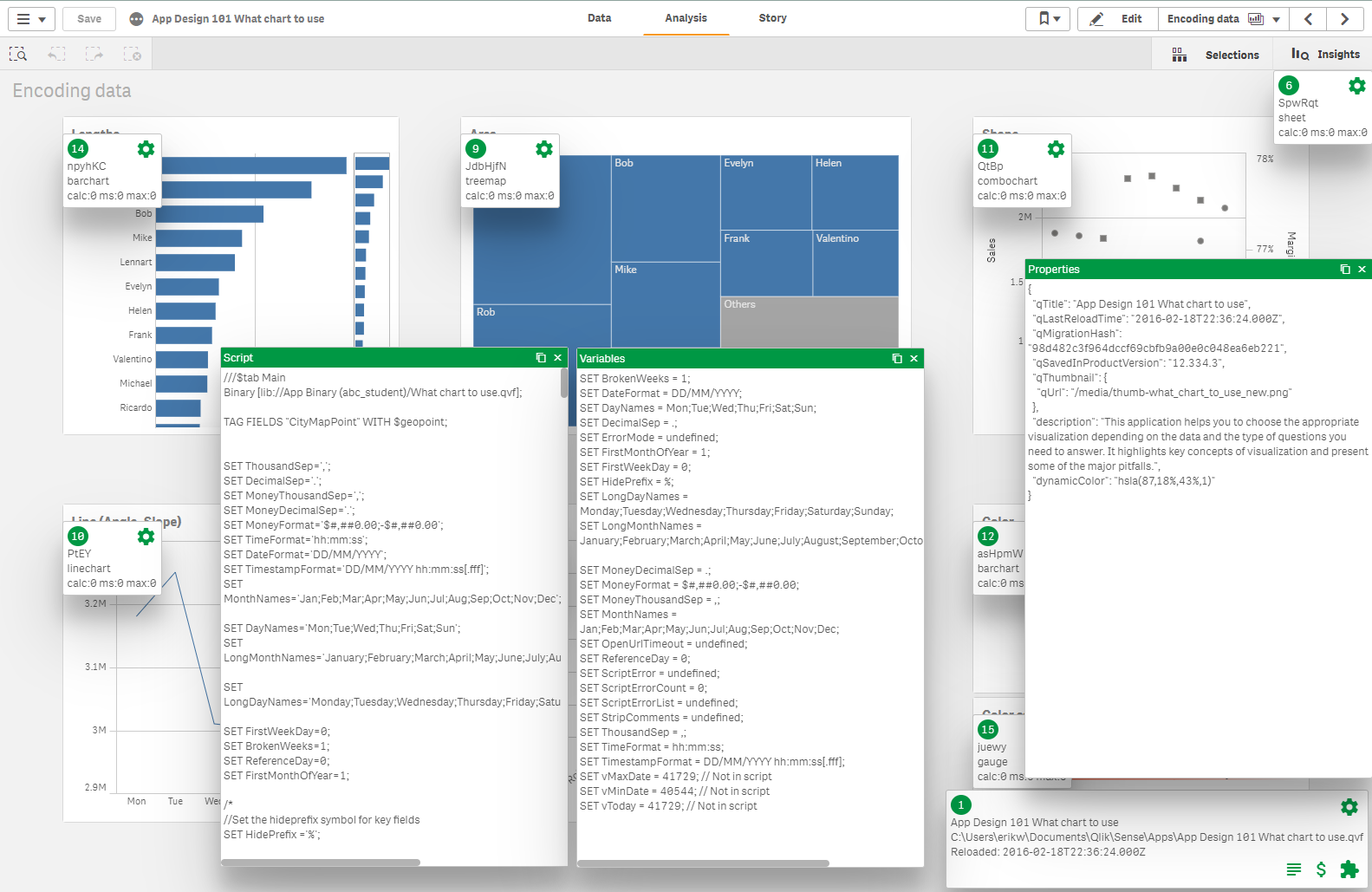
From the app box you can inspect the script, variables and app properties.
Windows can be open at the same time and moved.
You can also copy window contents, complete or partly, to the clipboard.
If you do not have access to the script the script button will not be available.
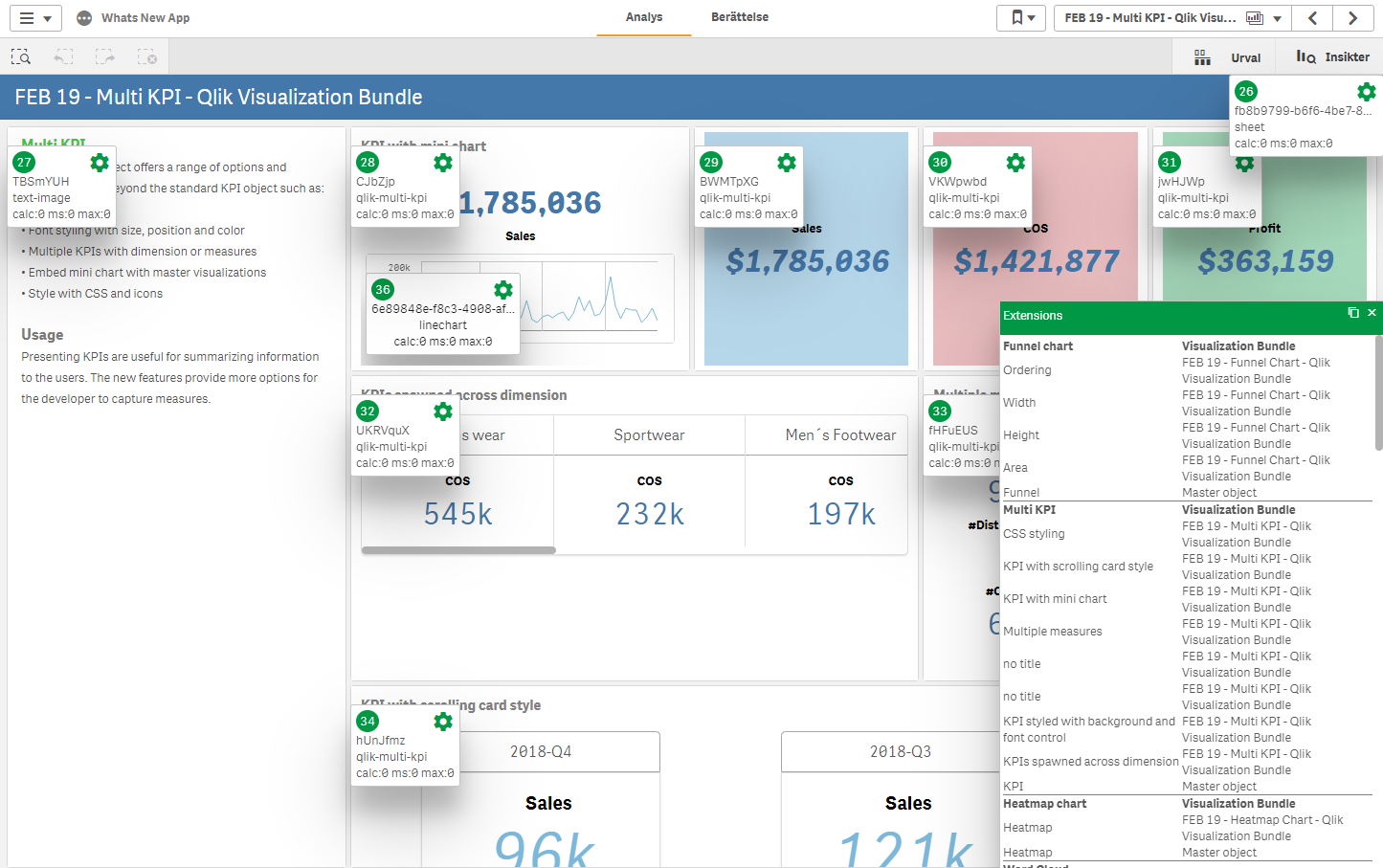
You can also easily see what extensions and charts are used in your app.
Just click on the extensions button in the app info box.
You will get a list of all axtensions and built-in charts are used in your extension, with title and sheet title
Master objects are also included.
The extension can also help you find performance problems.
When you enable the extension on a page, whether it's the standard client or a mashup, it will start recording recalculation times.
Every time an object is revalidated then extension will register time elapsed for recalculation.
It will also count how many revalidations has occured.
If the object is no longer on the screen, the extension will continue to monitor recalculations, so when you re-enable it you will get all the statistics.